Cabotegravir: A Guide to Long-Acting HIV Prevention and Treatment
The landscape of HIV prevention and treatment has been revolutionized with the advent of long-acting medications. One of the most significant advancements is Cabotegravir, an antiretroviral drug that offers a powerful new option for both preventing and managing HIV.
Whether you're exploring prevention strategies or seeking information on treatment, understanding Cabotegravir is crucial. This guide breaks down the most important information you need to know.
What is Cabotegravir?
Cabotegravir is an FDA-approved prescription medicine that comes in two forms for different purposes:
Oral Tablet (Brand Name: Vocabria):
For HIV Treatment: Used short-term with another drug (rilpivirine) in adults and adolescents.
For HIV PrEP: Used short-term to reduce the risk of getting HIV in at-risk, HIV-negative individuals.
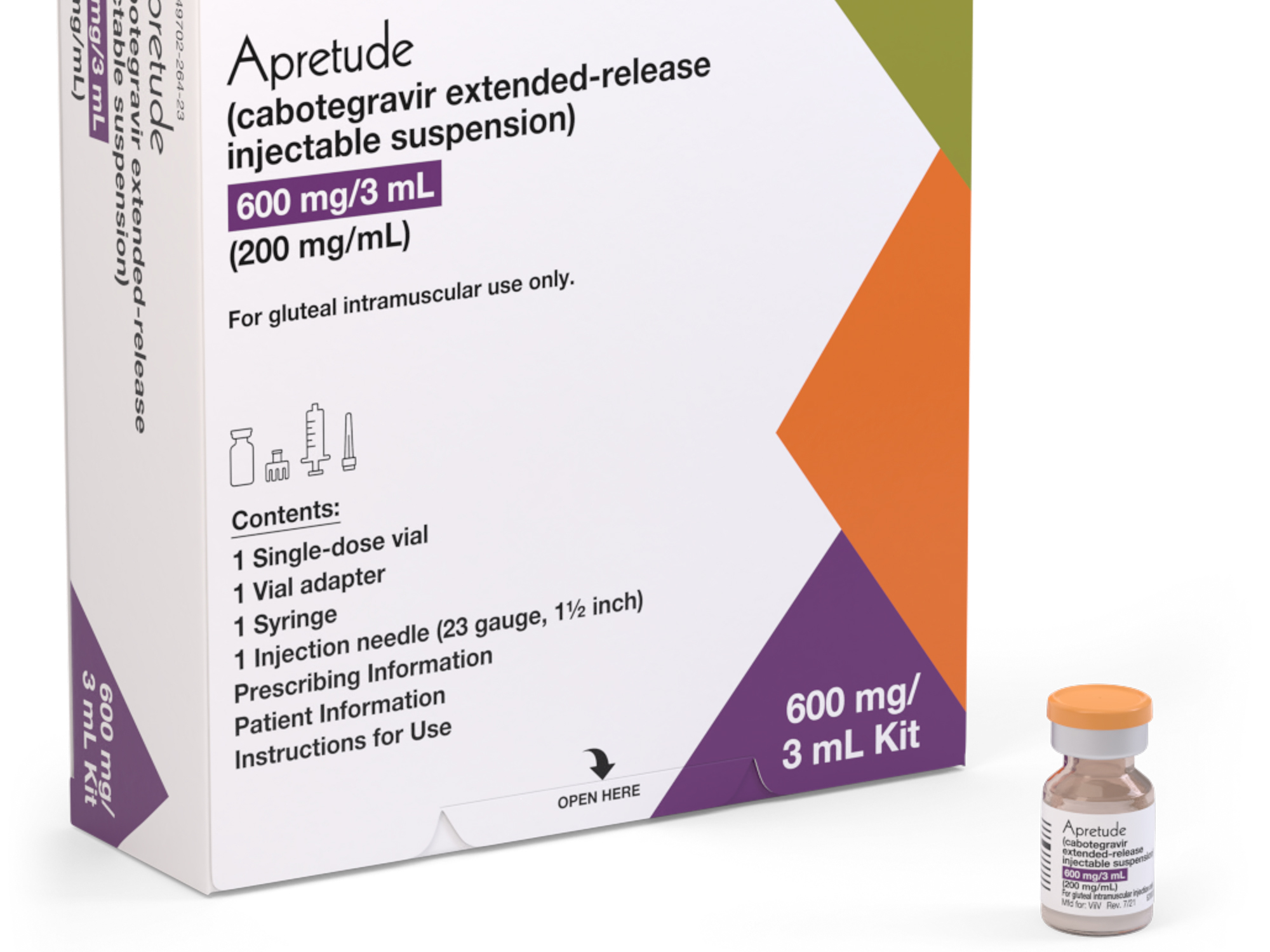
Long-Acting Injectable (Brand Name: Apretude):
For HIV PrEP: A long-acting injection to reduce the risk of getting HIV. After the first two initiation injections, it's given every two months.
Crucial Note: Cabotegravir for PrEP is only for individuals confirmed to be HIV-negative. Using it while unknowingly living with HIV can lead to drug resistance.
1.The Most Important Things to Know About Cabotegravir
While a promising medication, Cabotegravir carries serious side effects that require immediate medical attention.
Serious Skin Rash and Allergic Reactions
Cabotegravir can cause severe, potentially life-threatening skin reactions. Stop taking Cabotegravir and get medical help right away if you develop a rash with any of the following symptoms:
Fever, general ill feeling, or extreme tiredness
Muscle or joint aches
Blistering or peeling skin
Sores in your mouth, redness or swelling of your eyes
Swelling of your face, lips, or throat
Trouble breathing or swallowing
2. Liver Problems
Liver issues have occurred in people with and without a history of liver disease. Contact your provider immediately if you experience:
Yellowing of skin or eyes (jaundice)
Dark-colored urine or light-colored stools
Loss of appetite, nausea, or vomiting
Pain on the right side of your abdomen
Itching
3. Depression and Mood Changes
Mental health is an important consideration. Reach out to your healthcare provider right away if you experience:
Feeling sad, hopeless, or anxious
Thoughts of harming yourself or suicide
How is Cabotegravir Used?
For HIV PrEP (Prevention)
Initiation: Before your first injection, your provider may have you take oral Cabotegravir tablets for one month to ensure you tolerate it.
Injection Schedule: The long-acting injectable (Apretude) is administered by a healthcare professional. You'll receive one injection monthly for the first two months, followed by an injection every two months thereafter.
Adherence is Key: It's vital to keep all your injection appointments to maintain protection. If you plan to miss an injection by more than 7 days, contact your provider immediately to discuss your options.
For HIV Treatment
When used for treatment, oral Cabotegravir (Vocabria) is always used in combination with rilpivirine (Edurant).
Before switching to the long-acting injectable regimen (Cabenuva, which contains both drugs), your provider will have you take the oral versions for about a month to assess tolerance.
What to Discuss With Your Healthcare Provider
Before starting Cabotegravir, be sure to tell your provider about:
Any allergies to medications.
Your history of liver problems (including Hepatitis B or C) or kidney issues.
Any mental health conditions.
If you are pregnant, planning to become pregnant, or breastfeeding. The long-acting injectable can remain in your body for 12 months or longer after the last shot.
All other prescription and over-the-counter medicines, vitamins, and supplements you take.
Other Common Side Effects
Besides the serious side effects listed above, other possible side effects include:
For the Tablet: Headache, fatigue, stomach pain, diarrhea, drowsiness, and abnormal dreams.
For the Injection: Injection site reactions (pain, tenderness, lumps, swelling), fever, tiredness, headache, muscle pain, and back pain.
The Bottom Line
Cabotegravir represents a significant step forward in HIV care, offering a discreet and highly effective long-acting option for prevention and a convenient injectable regimen for treatment. However, it demands a proactive partnership with your healthcare provider to manage its risks.
Always use Cabotegravir for PrEP in combination with other prevention methods, like condoms, to protect against other sexually transmitted infections. If you have any questions or experience potential side effects, do not hesitate to contact your healthcare team.
Disclaimer: This blog post is for informational purposes only and is based on public domain data. It is not a substitute for professional medical advice. Always consult with a qualified healthcare provider for any questions you may have regarding a medical condition or treatment.